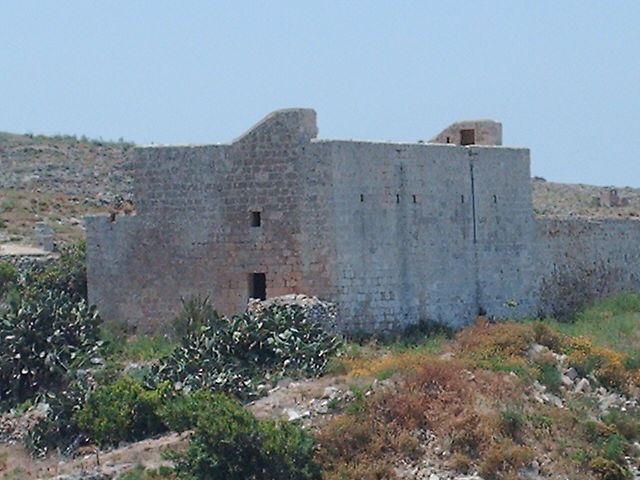
The Architectural Mystery of Il-Qasam Barrani: Ir-Razzett tax-Xjaten
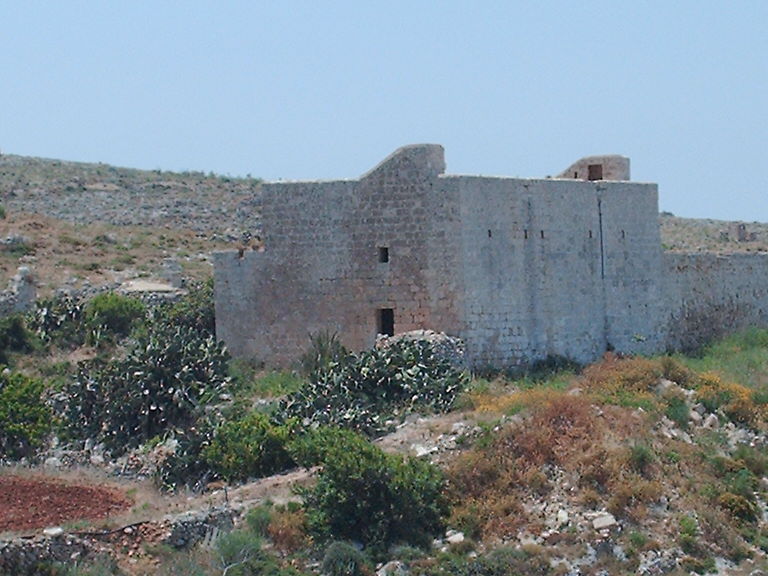
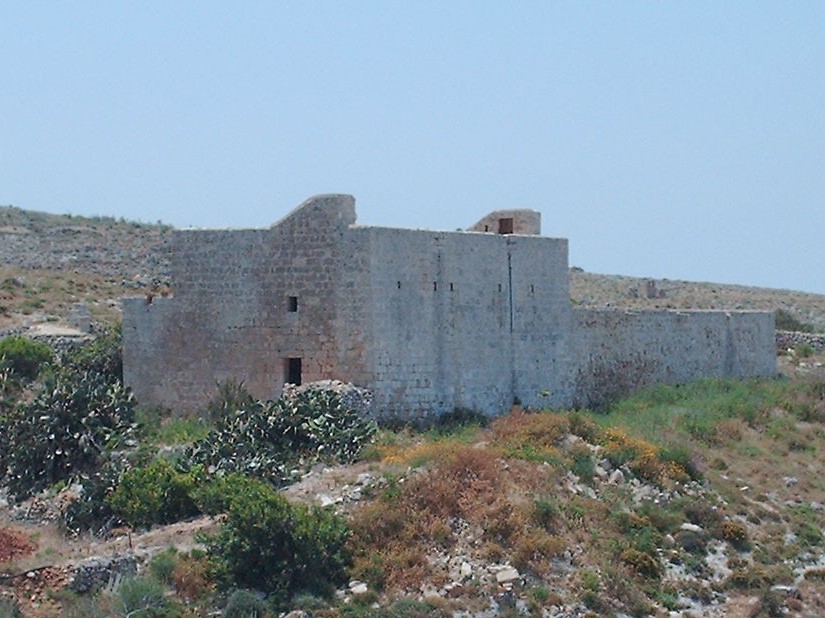
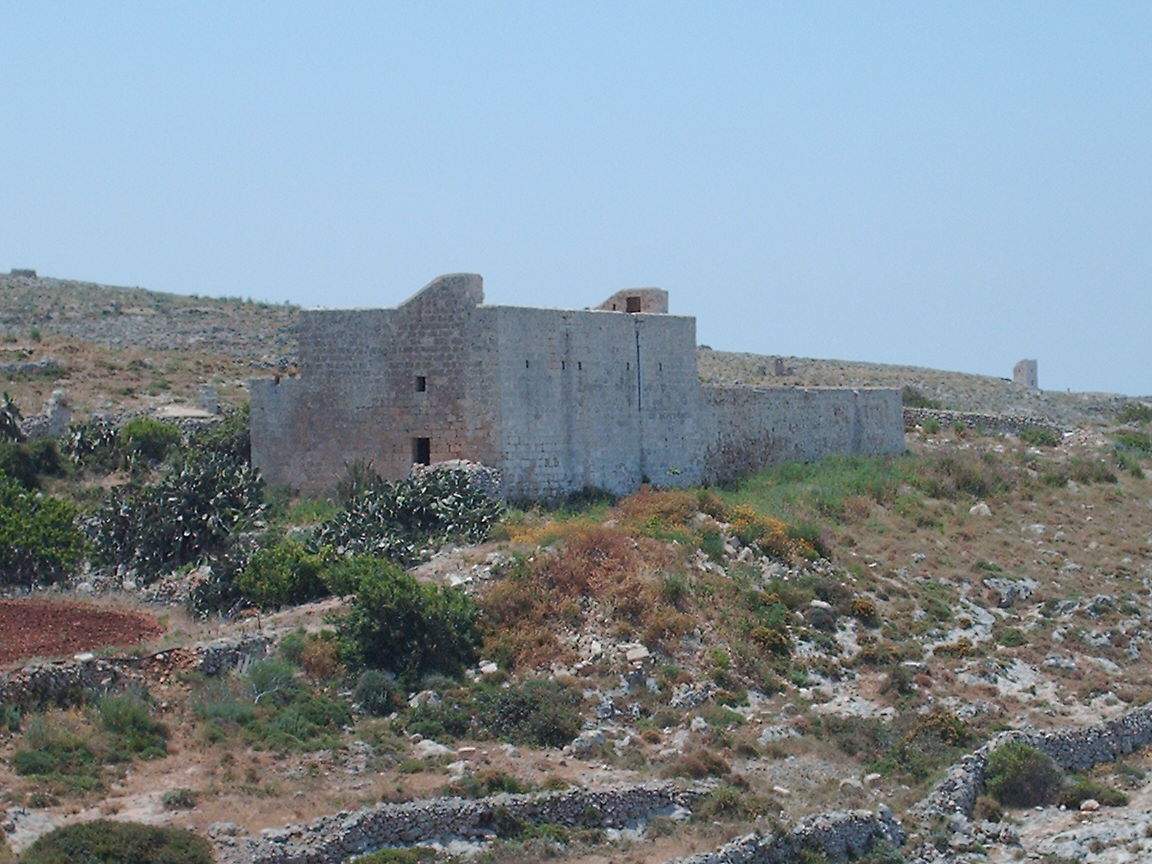
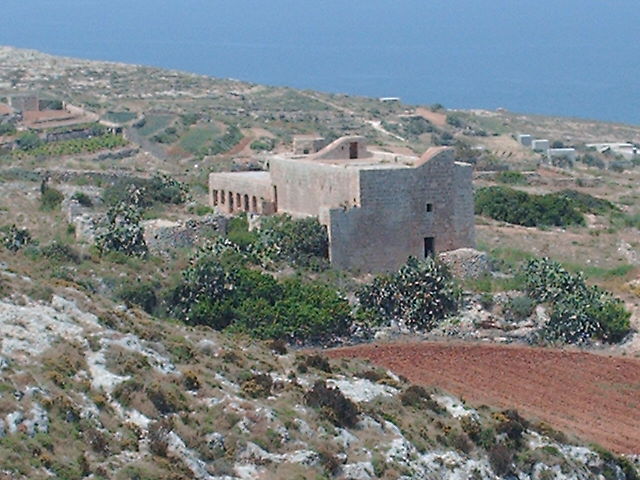
The northern landscape of Mellieħa is defined by its rugged limestone plateaus and a deep-seated history of rural isolation. Nestled within the area of Il-Qasam Barrani, near the Bisqra heights, stands one of Malta’s most intriguing examples of vernacular architecture: Ir-Razzett tax-Xjaten (The Devil’s Farmhouse). This structure remains a focal point for both architectural historians and local folklorists due to its unique construction and the legends that surround its origin.
Historical Origins and Topography
The farmhouse dates back to the 17th or 18th century, a period when the expansion of the Order of St. John’s coastal defenses allowed farmers to move further away from the safety of the fortified old city of Mdina (Mahoney 1988). The name of the site, Il-Qasam Barrani, roughly translates to “the outer field/farm,” highlighting its remote location during the era of its construction.
According to local records and the documentation provided by Mellieha.com (2024), the farmhouse was built during a time when Mellieħa was sparsely populated. The structure’s primary purpose was utilitarian—providing shelter for both farmers and their livestock—yet its imposing presence on the ridge gave rise to the myth that it was constructed by “devils” in a single night.
Unique Architectural Features
The farmhouse is noted for its “megalithic” appearance, characterized by the use of massive limestone blocks. Unlike the more refined globigerina limestone used in Valletta, rural dwellings in the north utilized harder, weather-resistant coralline limestone (Jaccarini 1998).
-
The External Staircase: A defining feature of the Maltese razzett is the external stone staircase leading to the għorfa (upper room). At the Devil’s Farmhouse, this staircase is remarkably well-preserved, showcasing the traditional method of providing separate access to the living quarters while the ground floor remained dedicated to animal stalls (Sultana 2011).
-
Structural Integrity: The use of dry-stone techniques and heavy coralline slabs ensured the building could withstand the harsh winds of the Mellieħa ridges. As Said-Zammit (2016) notes, these structures were designed to be “organic,” often built directly into the bedrock to maximize stability and cooling.
-
The Courtyard (Bitħa): The central courtyard acted as a secure internal hub, a common feature in rural Mediterranean architecture designed to protect assets from both the elements and potential intruders (Vella 2013).
Folklore and Cultural Significance
The legend of the “Devil’s Farmhouse” is a classic example of Maltese folklore used to explain architectural feats that seemed impossible for a small community of farmers. Local oral tradition suggests that the sounds of traditional instruments, such as the żaqq (bagpipes) and tambur (tambourine), could be heard emanating from the building at night (Mellieha.com 2024).
Despite its ominous name, the building is a protected Class 1 Grade monument, serving as a reminder of the ingenuity of the Maltese peasant class who managed to cultivate the rocky terrains of the north.
Conclusion
Ir-Razzett tax-Xjaten at Il-Qasam Barrani is more than just a relic of agricultural history; it is a monument to the vernacular identity of Mellieħa. By bridging the gap between historical necessity and local myth, it remains a vital landmark in the study of Malta’s rural heritage.
References
Catania, J. (2002) Mellieħa Through the Tides of Time. Mellieħa: Mellieħa Local Council.
Jaccarini, C.J. (1998) Ir-razzett: the Maltese farmhouse. Malta: Moral Support Services.
Mahoney, L. (1988) 5000 Years of Architecture in Malta. Malta: Valletta Publishing.
Said-Zammit, G.A. (2016) The Development of the Maltese Vernacular Dwelling. Oxford: Archaeopress Publishing Ltd.
Sultana, J. (2011) ‘Maltese Vernacular Architecture’, Journal of Maltese Heritage, 4(1), pp. 12-18.
Vella, L. (2013) ‘Maltese Rural Architecture: A disappearing heritage’, The Mediterranean Review, 15 June. [Online] Available at: