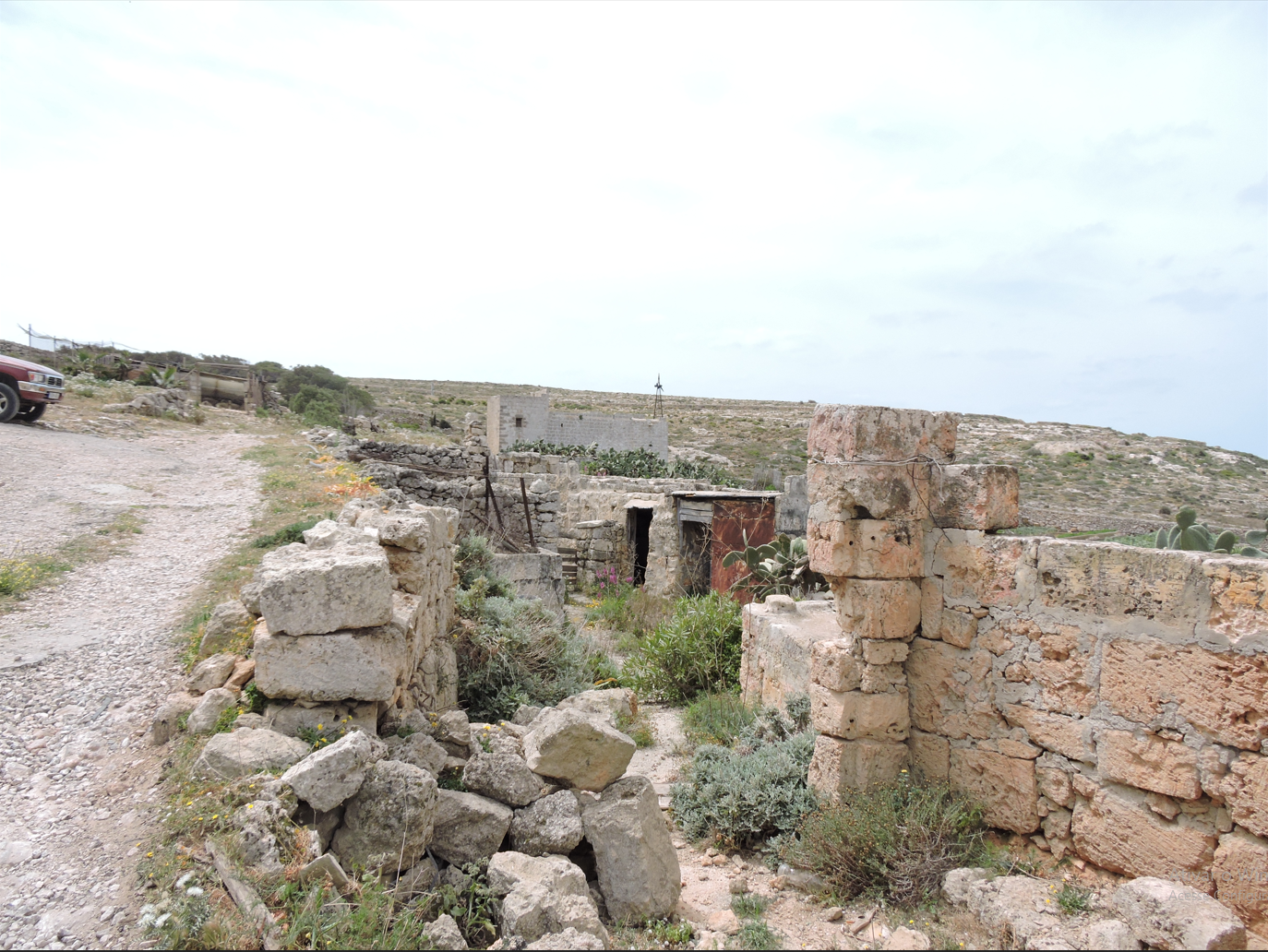
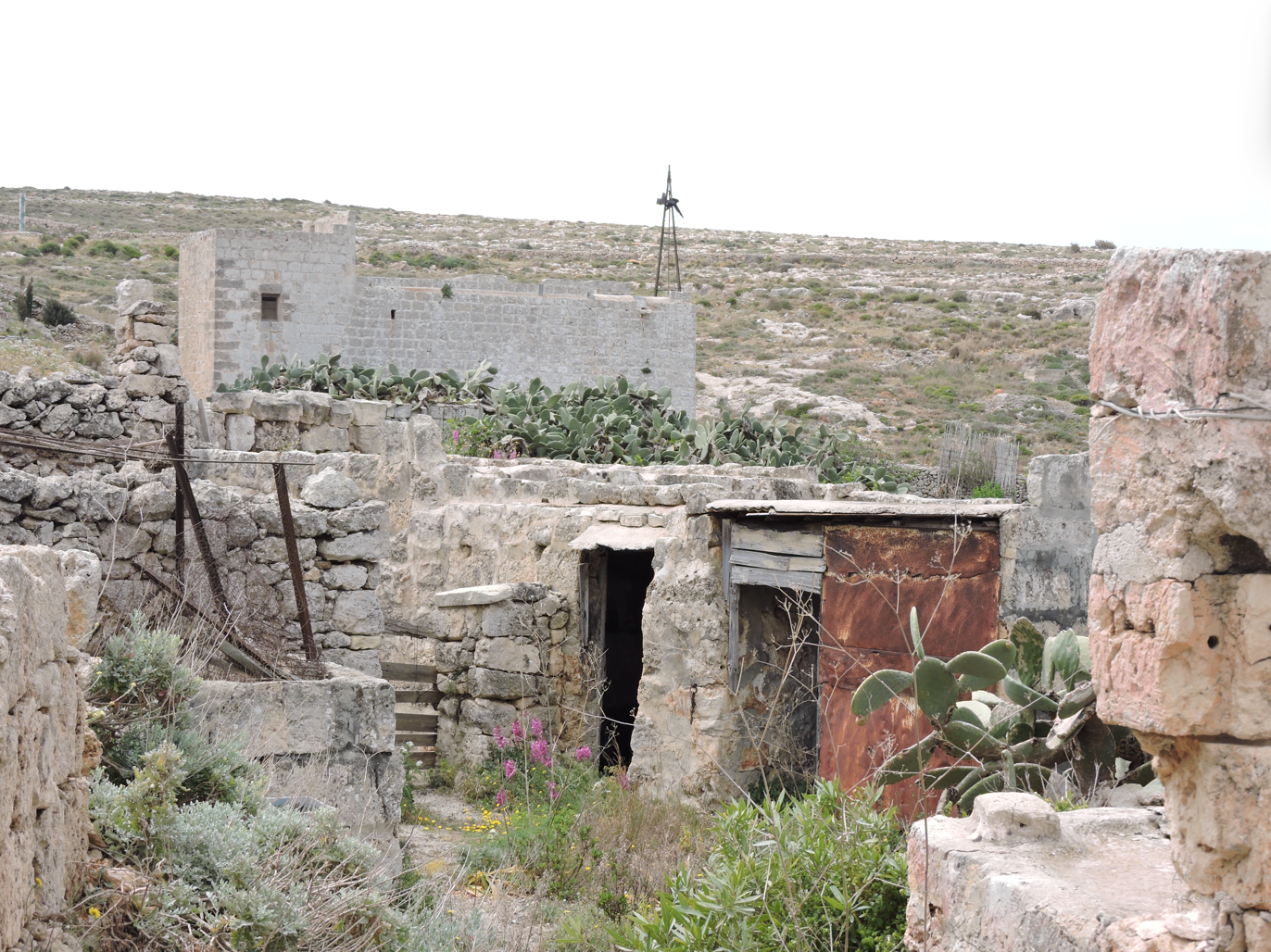
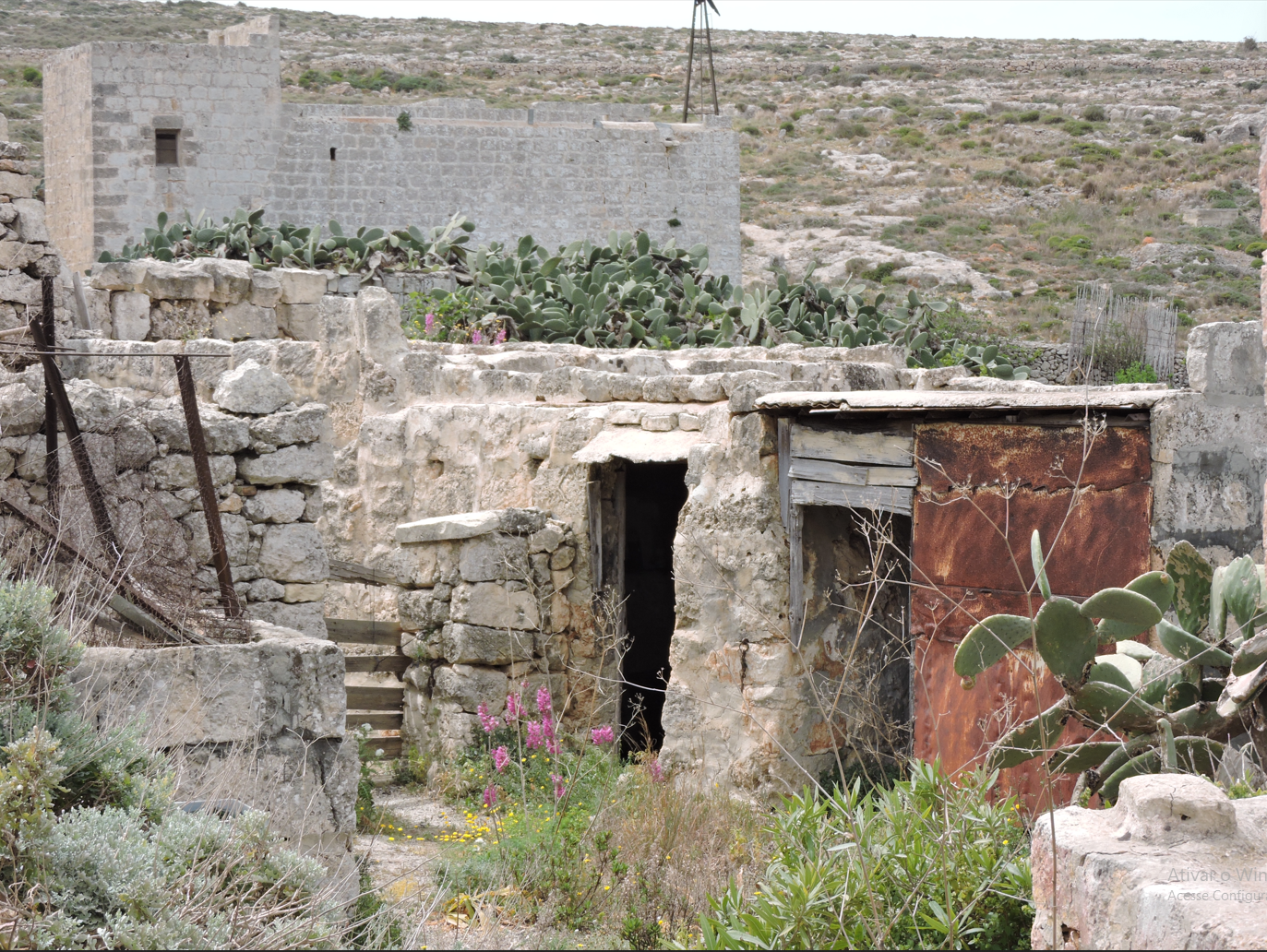
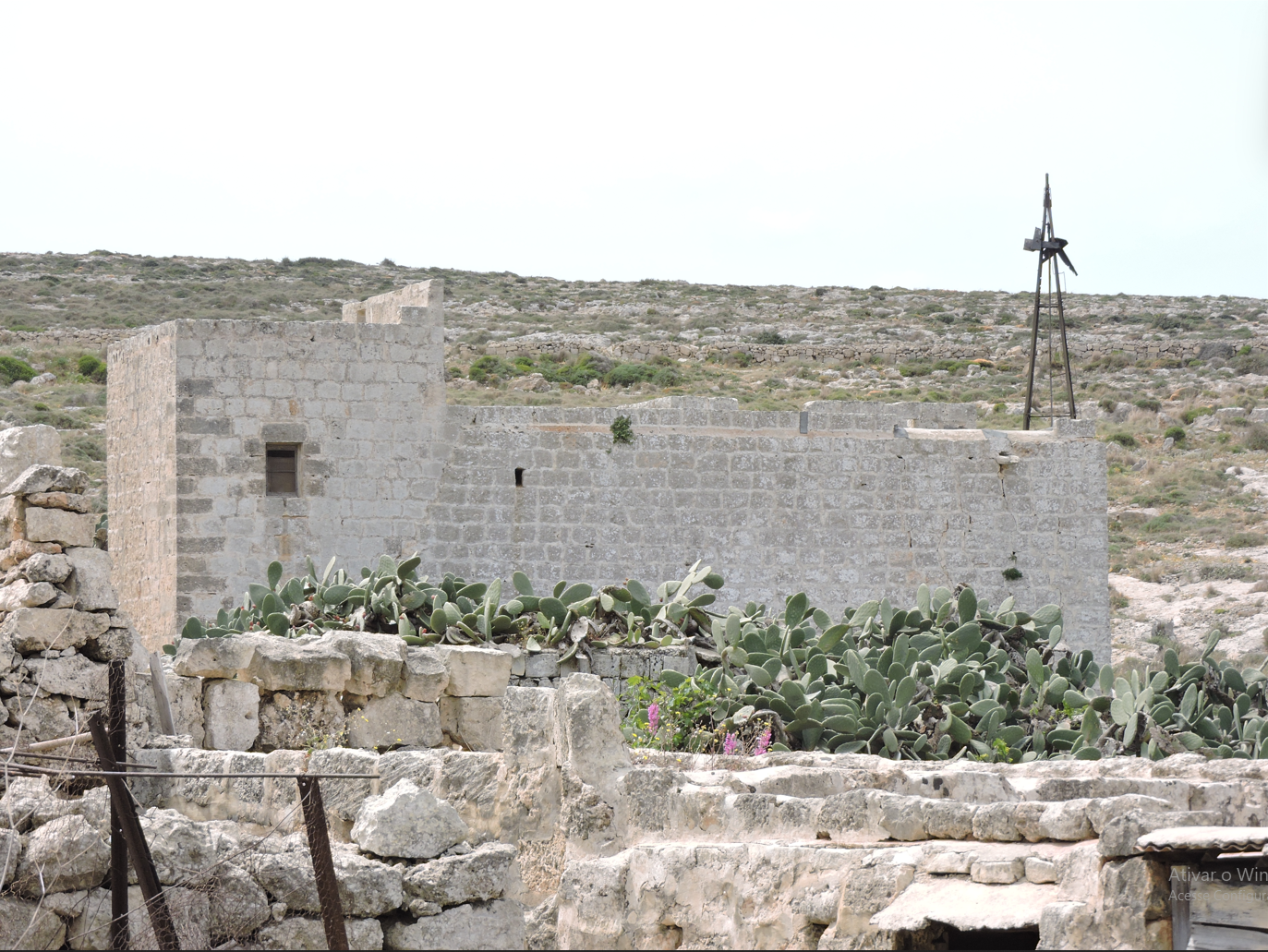
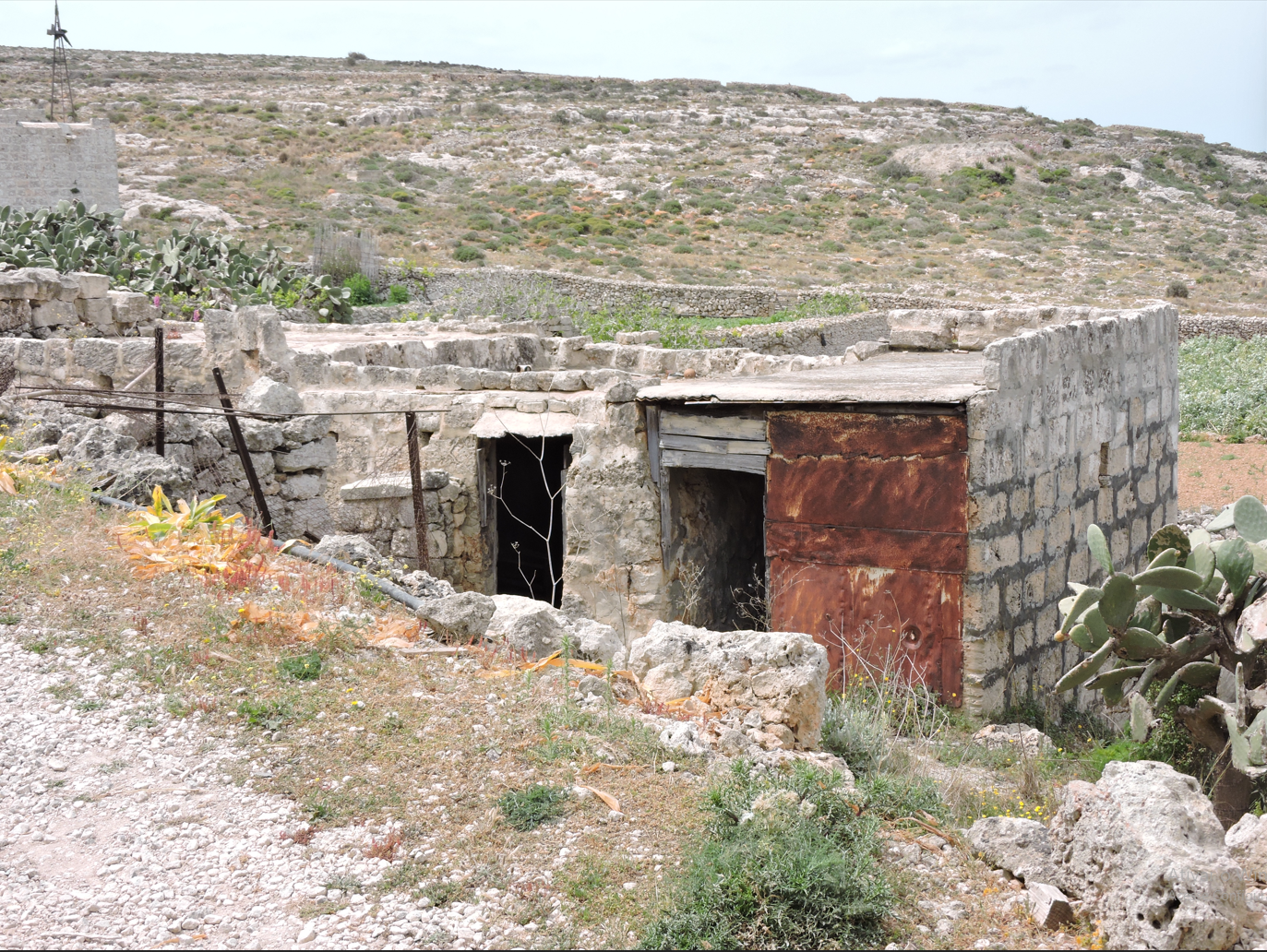
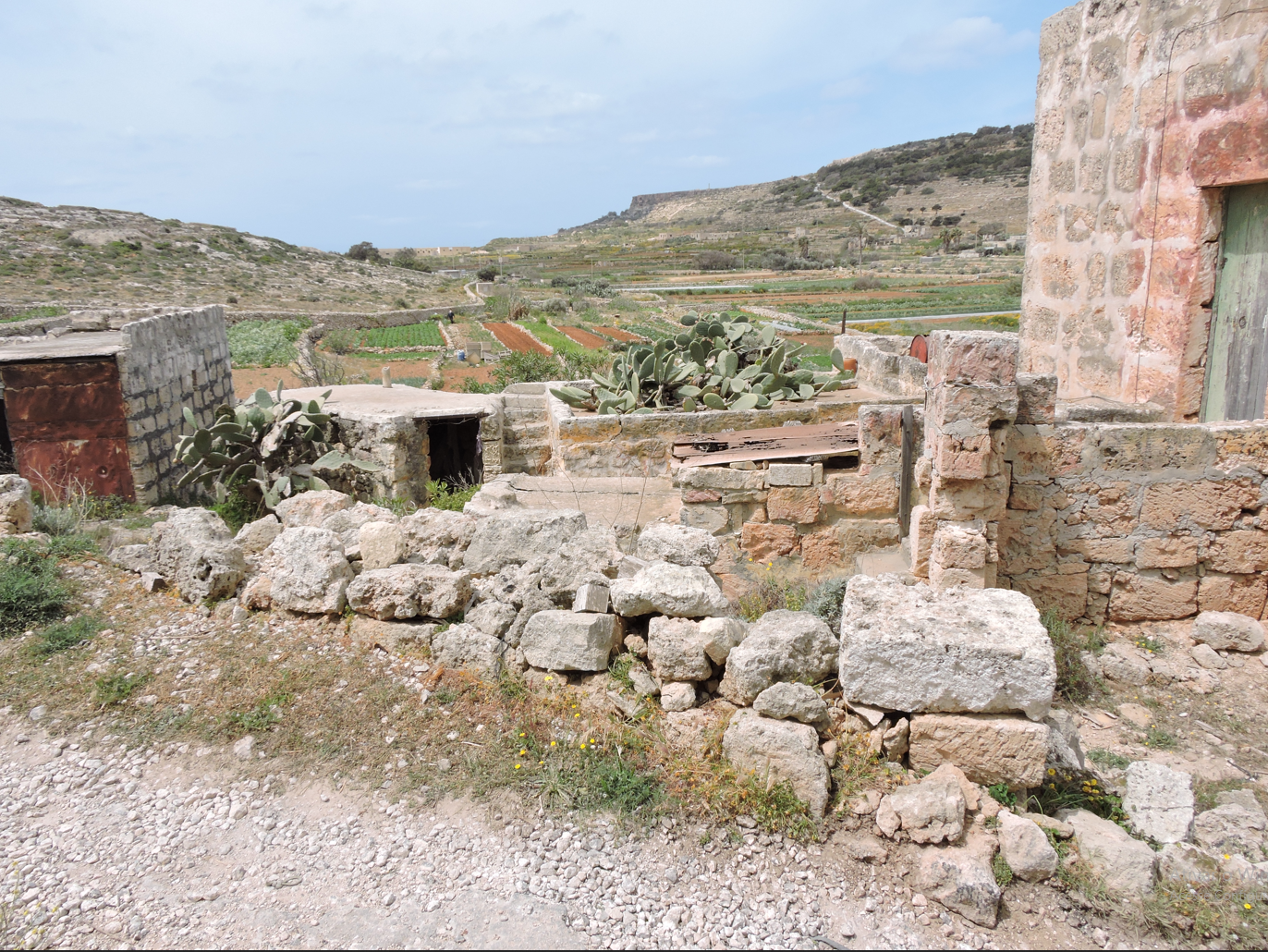
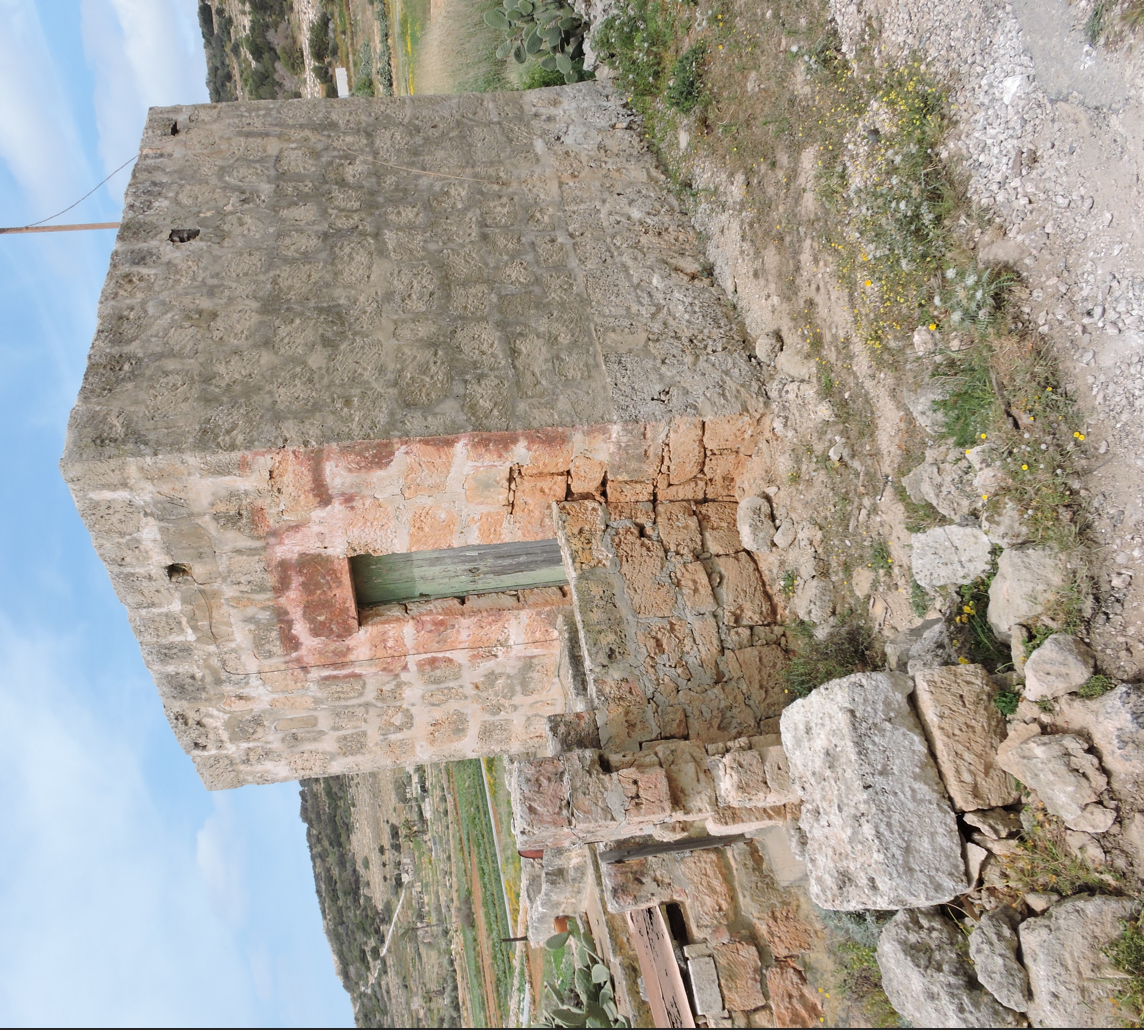
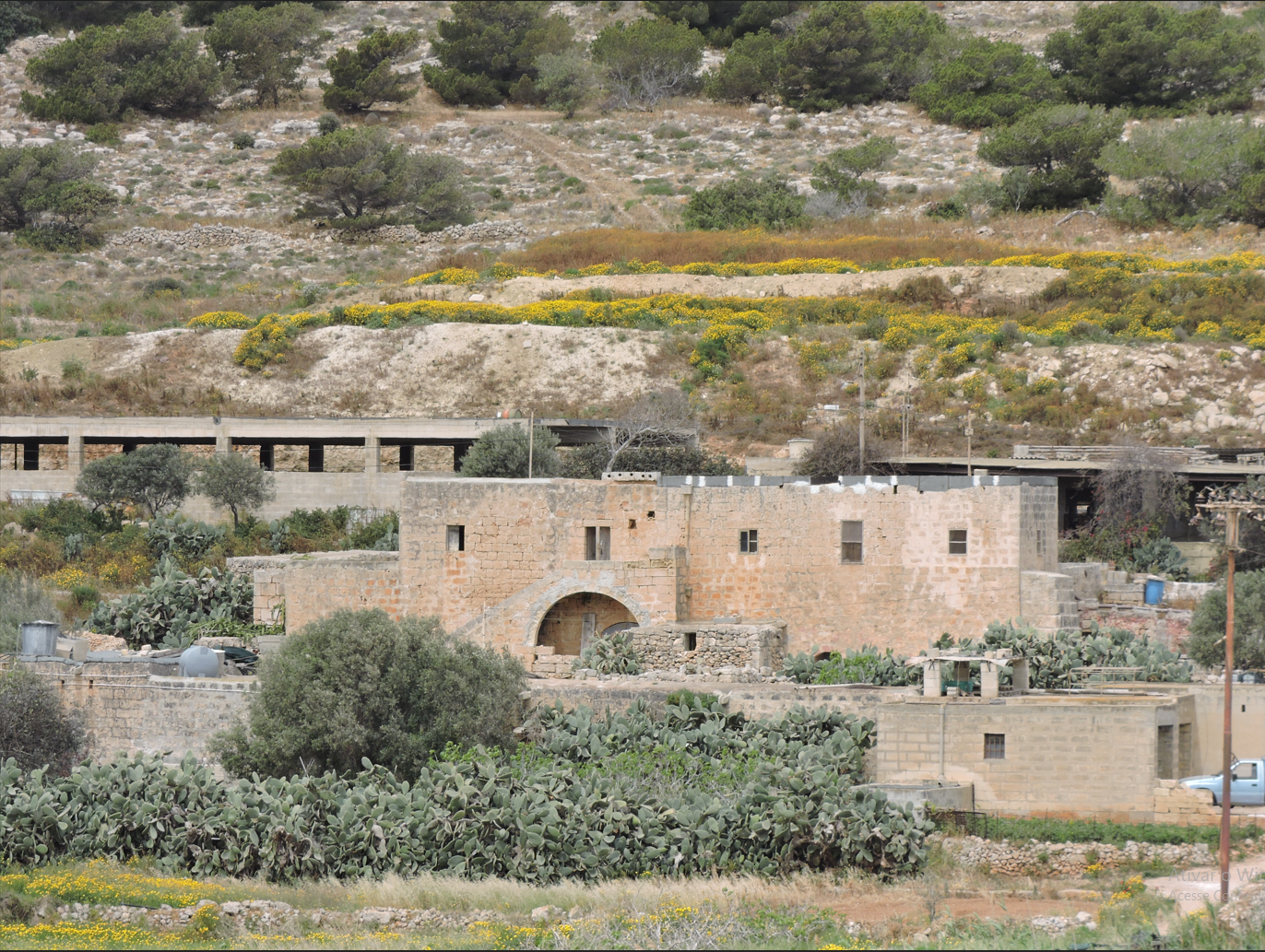
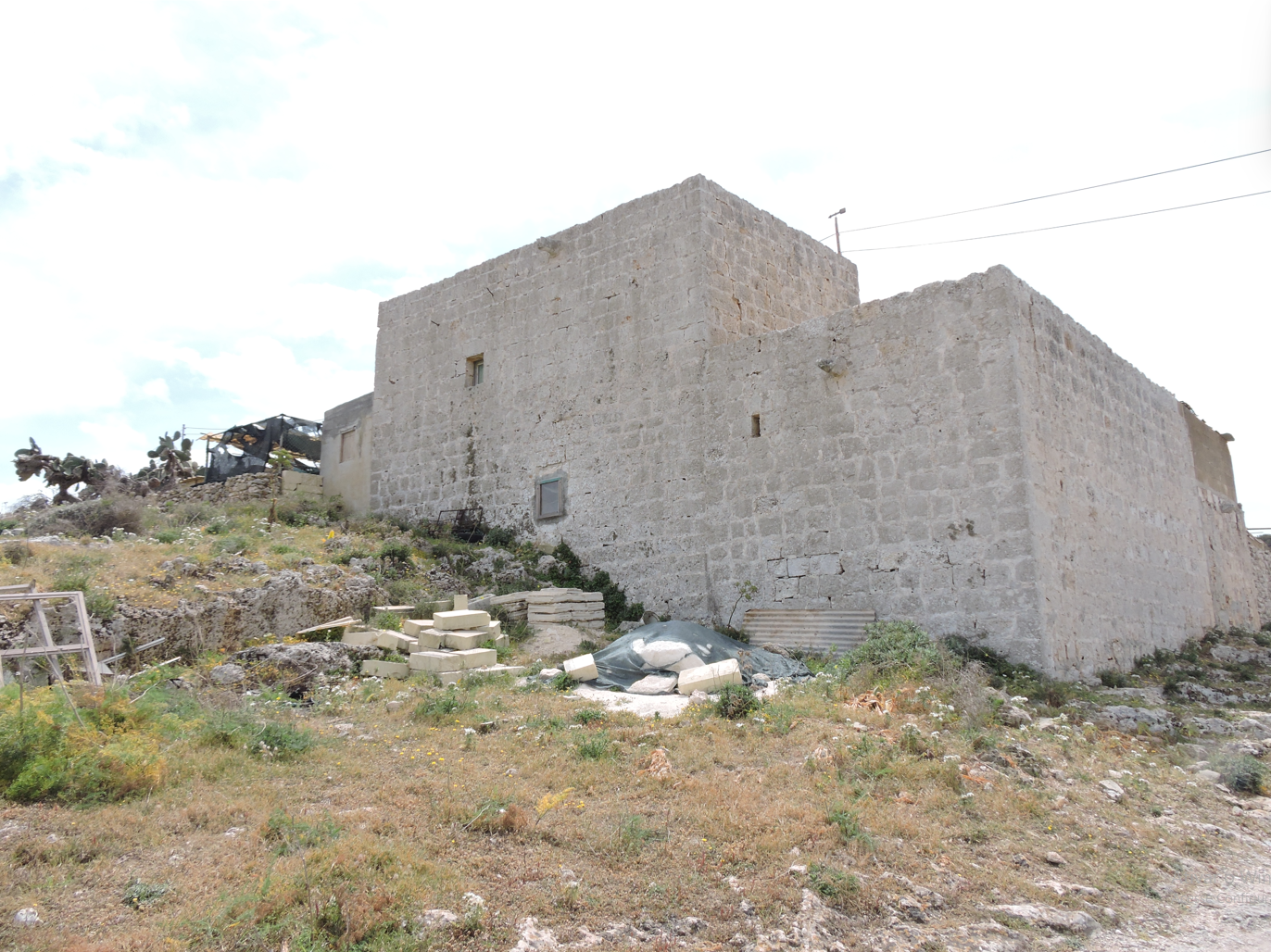
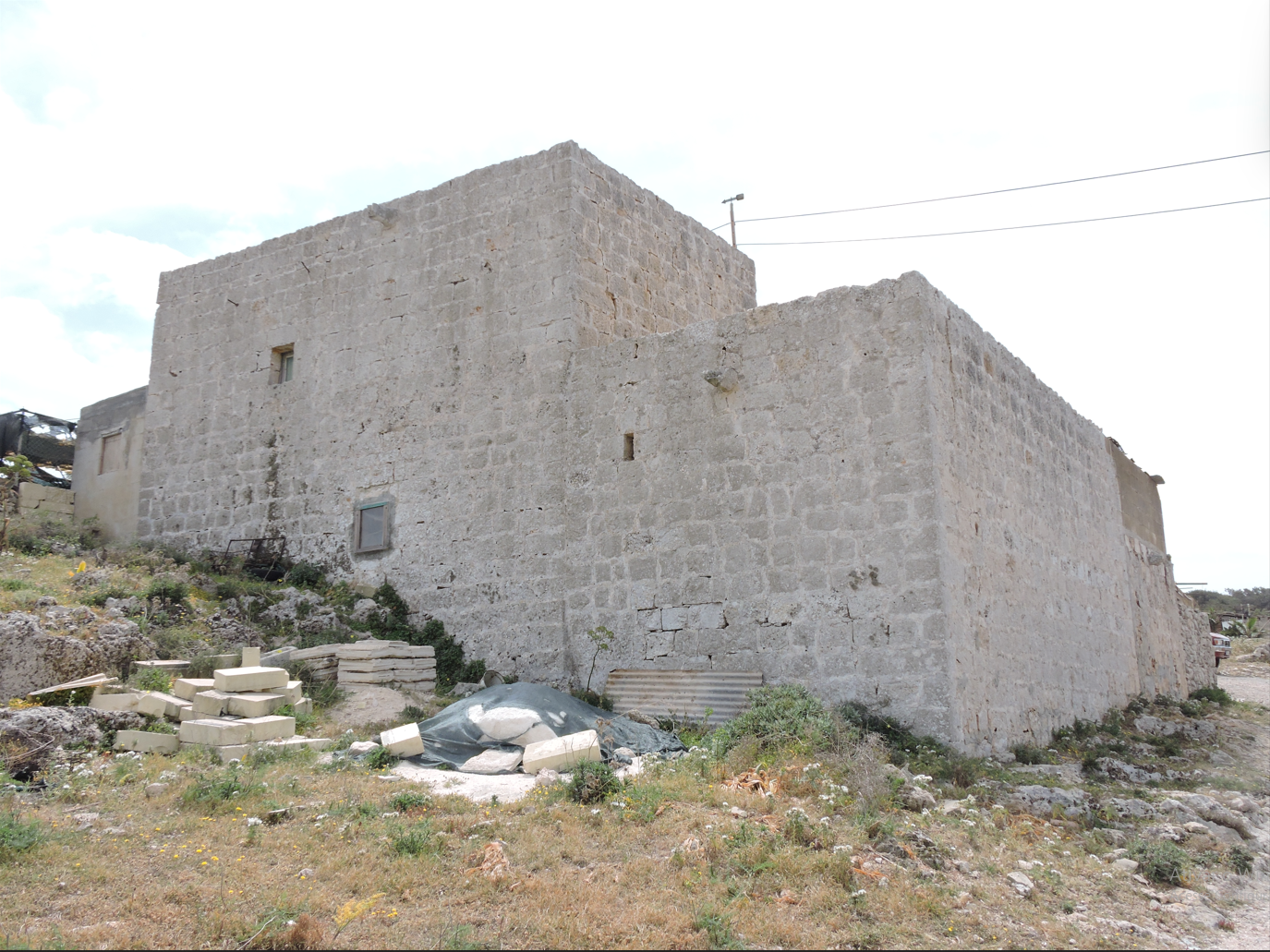
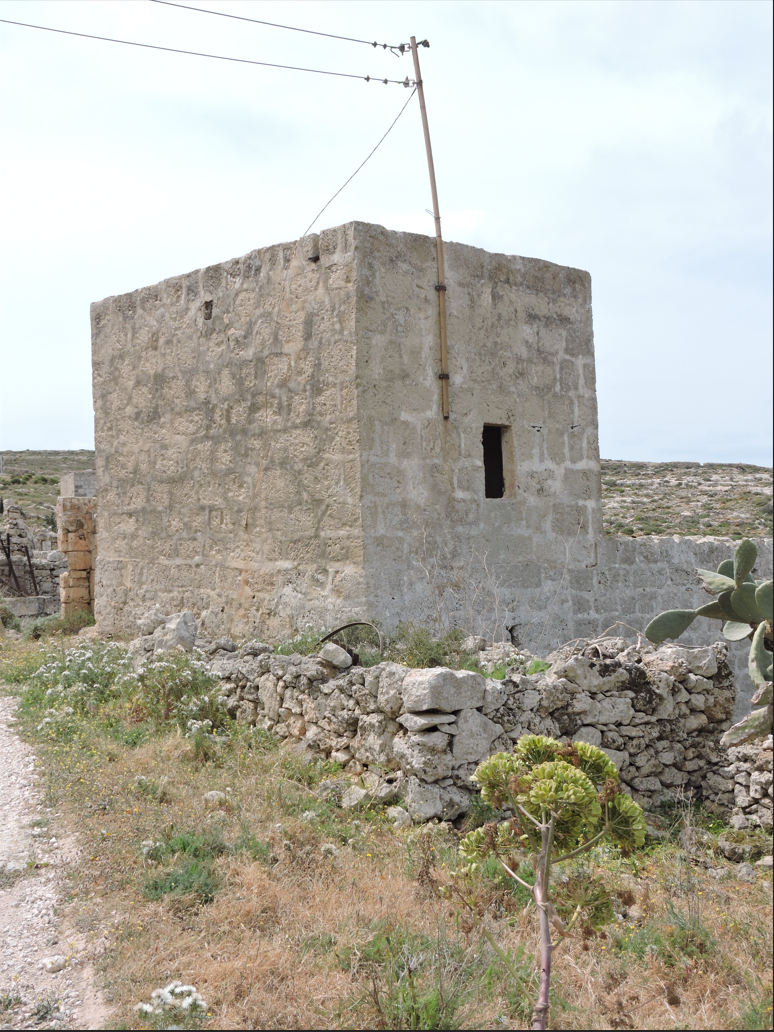
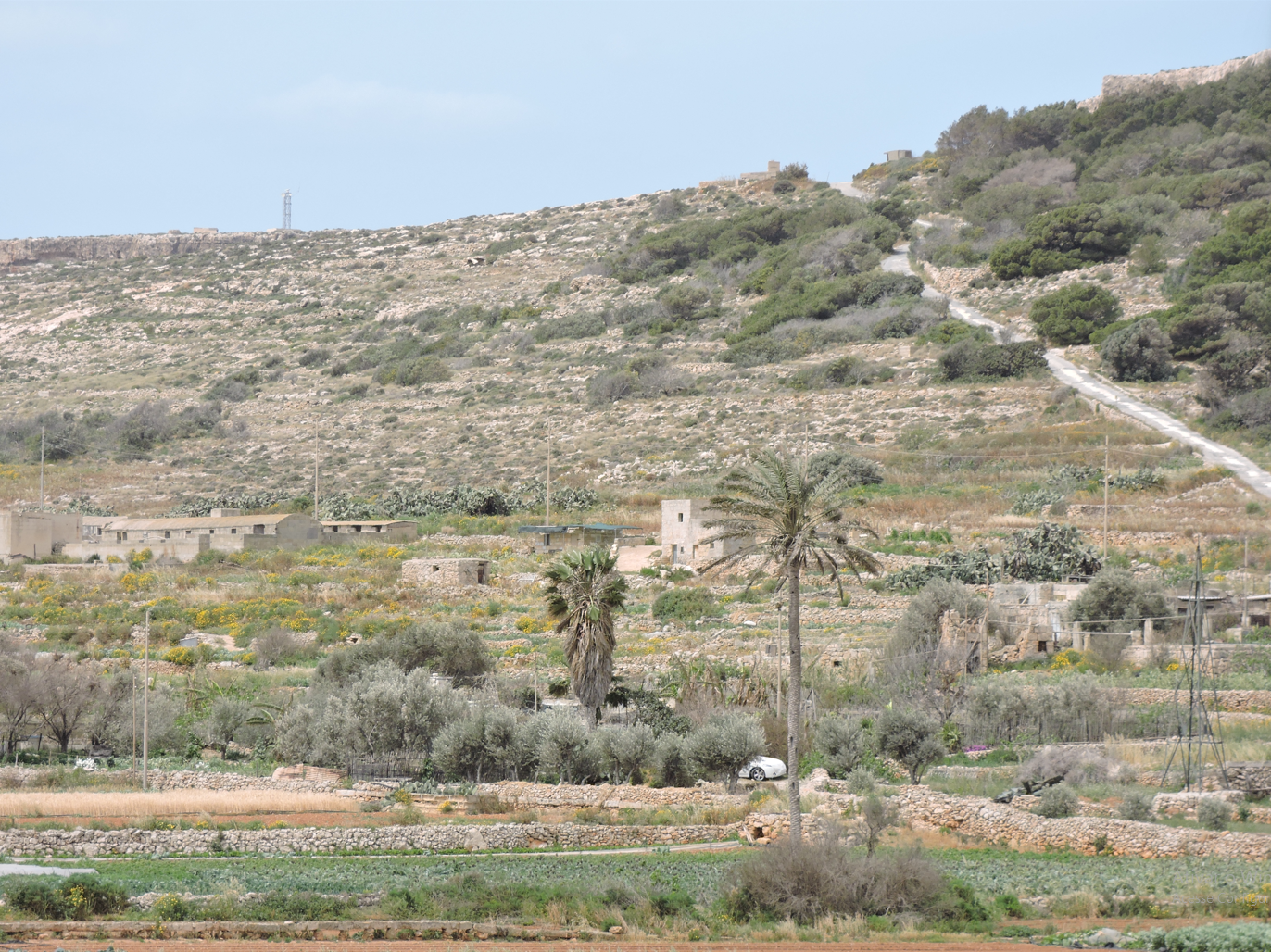
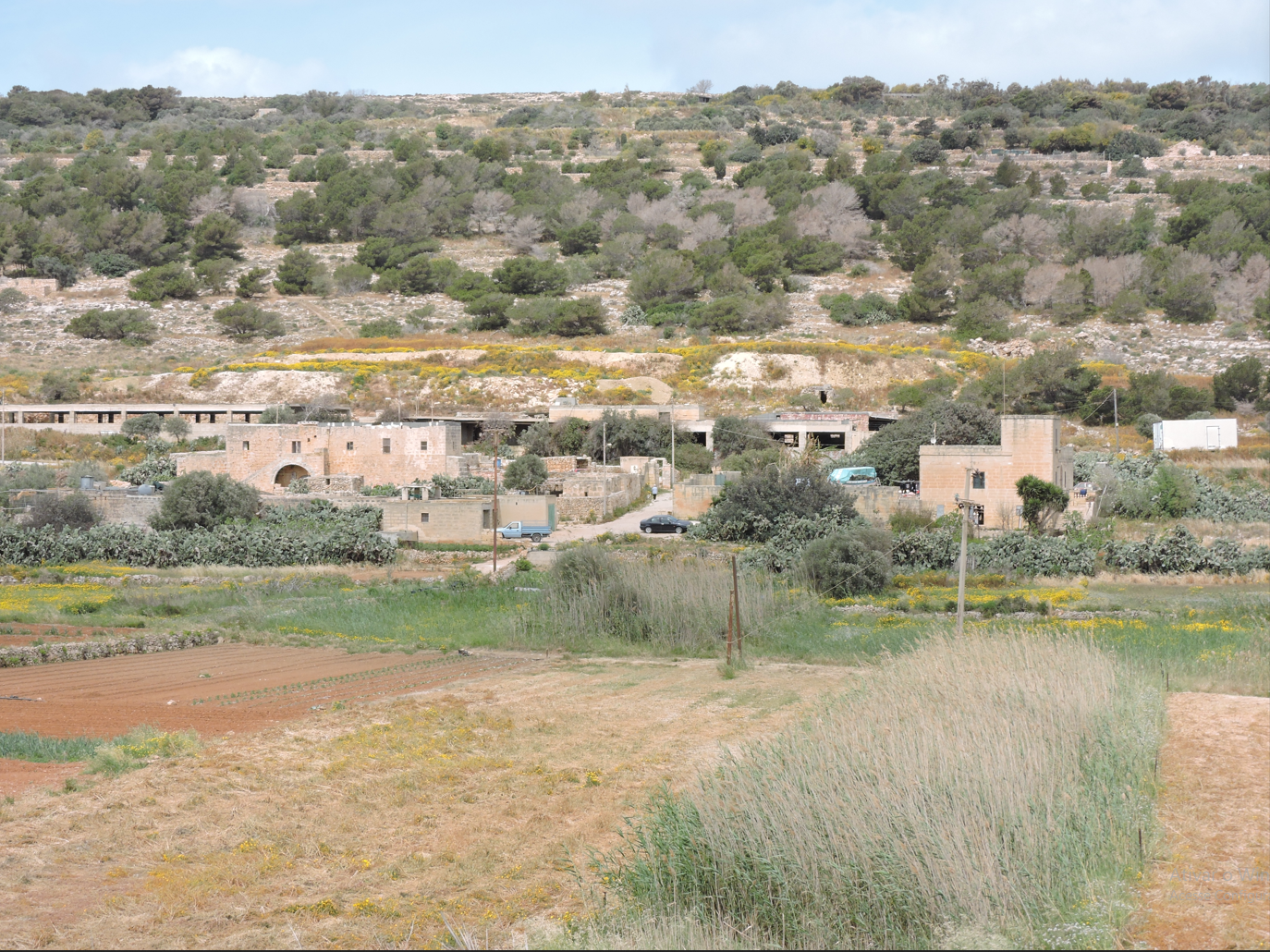
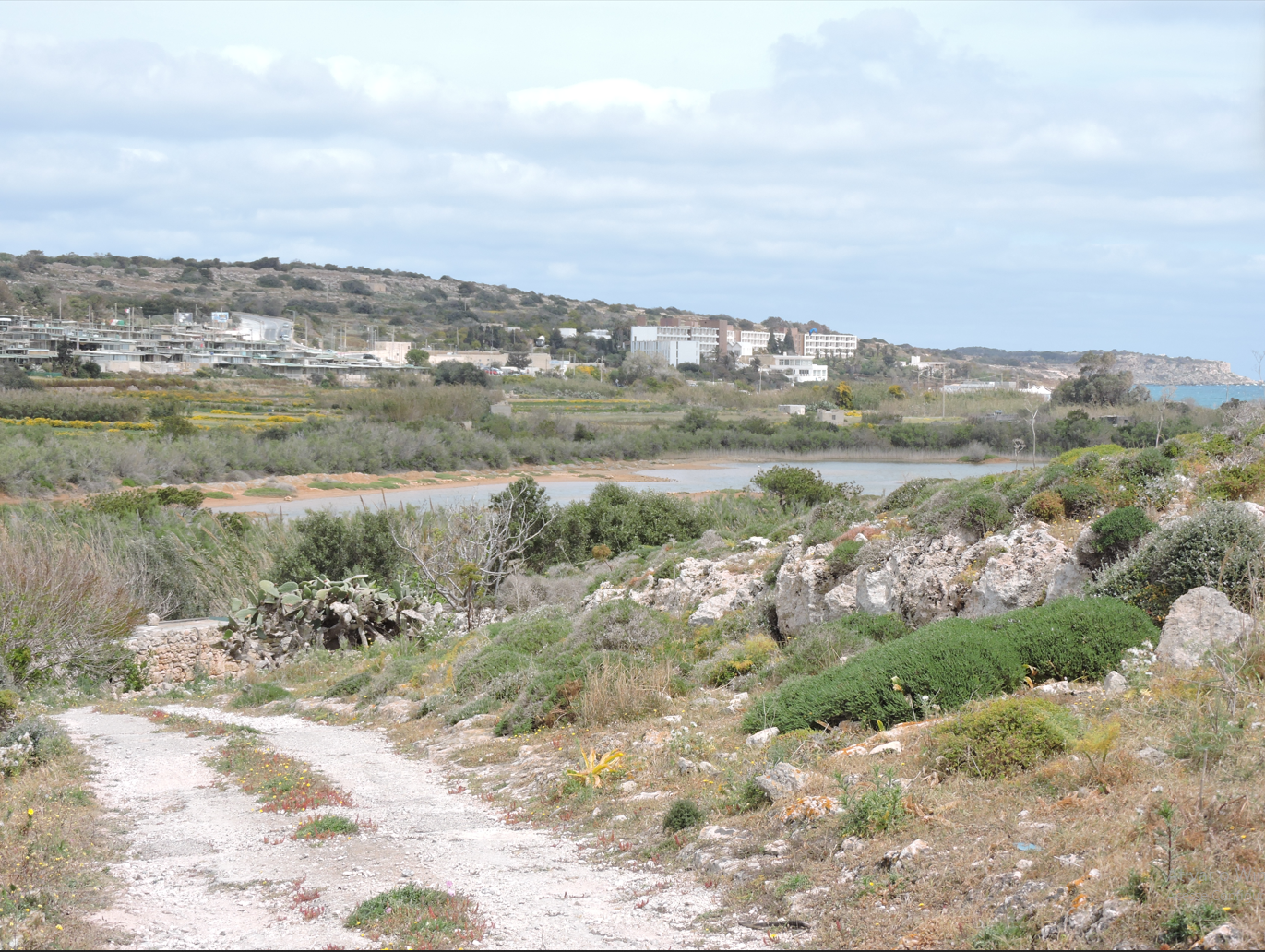
The northern region of Malta, specifically the area surrounding Mellieħa Bay (Għadira), is home to a unique collection of rural structures that define the island’s vernacular identity. Among the most significant are the Bisqra farmhouses. Situated in a landscape dominated by the Garigue of il-Bisqra and the surrounding fertile slopes, these buildings serve as a testament to the agricultural resilience of the Maltese people during the 18th and 19th centuries.
Mellieħa was for centuries a frontier territory, often exposed to corsair raids. It was only after the construction of coastal fortifications by the Order of St John—such as the Red Tower (St Agatha’s Tower) in 1649—that the area became safe enough for permanent agricultural settlement (Debono 2019). The farmhouses at Bisqra emerged during this era of relative stability.
Unlike the urban palazzi of Valletta, these farmhouses (razzett) were utilitarian. As noted by Jaccarini (1998), the Maltese razzett is characterized by its organic growth; rooms were added as the family or the flock grew, leading to a sprawling, non-symmetrical layout that integrated perfectly with the topography of the Mellieħa ridges.
The Bisqra farmhouses exhibit the classic hallmarks of Maltese rural architecture:
Materiality: Built primarily from local globigerina and coralline limestone, the structures were designed to withstand the Mediterranean sun. The thick walls provided thermal mass, keeping interiors cool in summer and warm in winter (Said-Zammit 2021).
The Għorfa: Many of these farmhouses feature an għorfa—an upper-level room usually accessed by an external stone staircase (melit: skala tal-ġebel). This room often served as the sleeping quarters for the head of the family or for storage of delicate crops (Vella 2013).
The Internal Courtyard: Central to the Bisqra complex is the bitħa (courtyard). This served as a secure space for livestock at night and a communal area for domestic tasks during the day.
The area of Bisqra is frequently mentioned alongside the more famous Razzett tax-Xjaten (The Devils’ Farmhouse) located nearby at Ta’ Randa. While the latter is steeped in legend, the Bisqra dwellings represent the more “human” side of Mellieħa’s history—a record of the arduous daily life of farmers who tilled the rocky soil (Mahoney 1988).
During World War II, the fields of Ta’ Bisqra were not spared from the conflict. Records from the era indicate that the area was hit by incendiary bombs during Italian and German air raids, as the heights above Mellieħa Bay were used as lookout posts for the coast (Debono 2019).
Today, the Bisqra farmhouses are recognized as part of Mellieħa’s cultural itinerary. They remain vital examples of how traditional Maltese architecture utilizes the “honey-blonde” stone to create a sense of place that is both functional and aesthetically harmonious with the North Maltean landscape (Mellieha.com 2024).
Catania, J. ed. (2002) Mellieħa Through the Tides of Time. Mellieħa: Mellieħa Local Council.
Debono, C. (2019) Wartime Mellieħa: The role of the village during the Second World War 1940-43. Mellieħa: BDL Books.
Jaccarini, C.J. (1998) Ir-razzett: the Maltese farmhouse. Malta: Moral Support Services.
Mahoney, L. (1988) 5000 Years of Architecture in Malta. Malta: Valletta Publishing.
Said-Zammit, G.A. (2021) Vernacular Architecture in Malta: The razzett, troglodyte houses and other dwellings. [Lecture] APS Talks Series, 28 October 2021.
Vella, L. (2013) ‘My dream countryside retreat’, The Malta Photoblog, 16 March. [Online] Available at: https://leslievella.wordpress.com/tag/vernacular-architecture/ [Accessed: 24 May 2024].
Mellieha © All Rights Reserved
21 521333
21 523449
21 522316
21 523457
21 571174 - 21 576737
21 573507 - 21 583859
21 523527
Lorem ipsum dolor sit amet, consectetur adipiscing elit. Libero a pellentesque nisi, aliquet quam montes. Facilisi massa gravida hendrerit est eget.